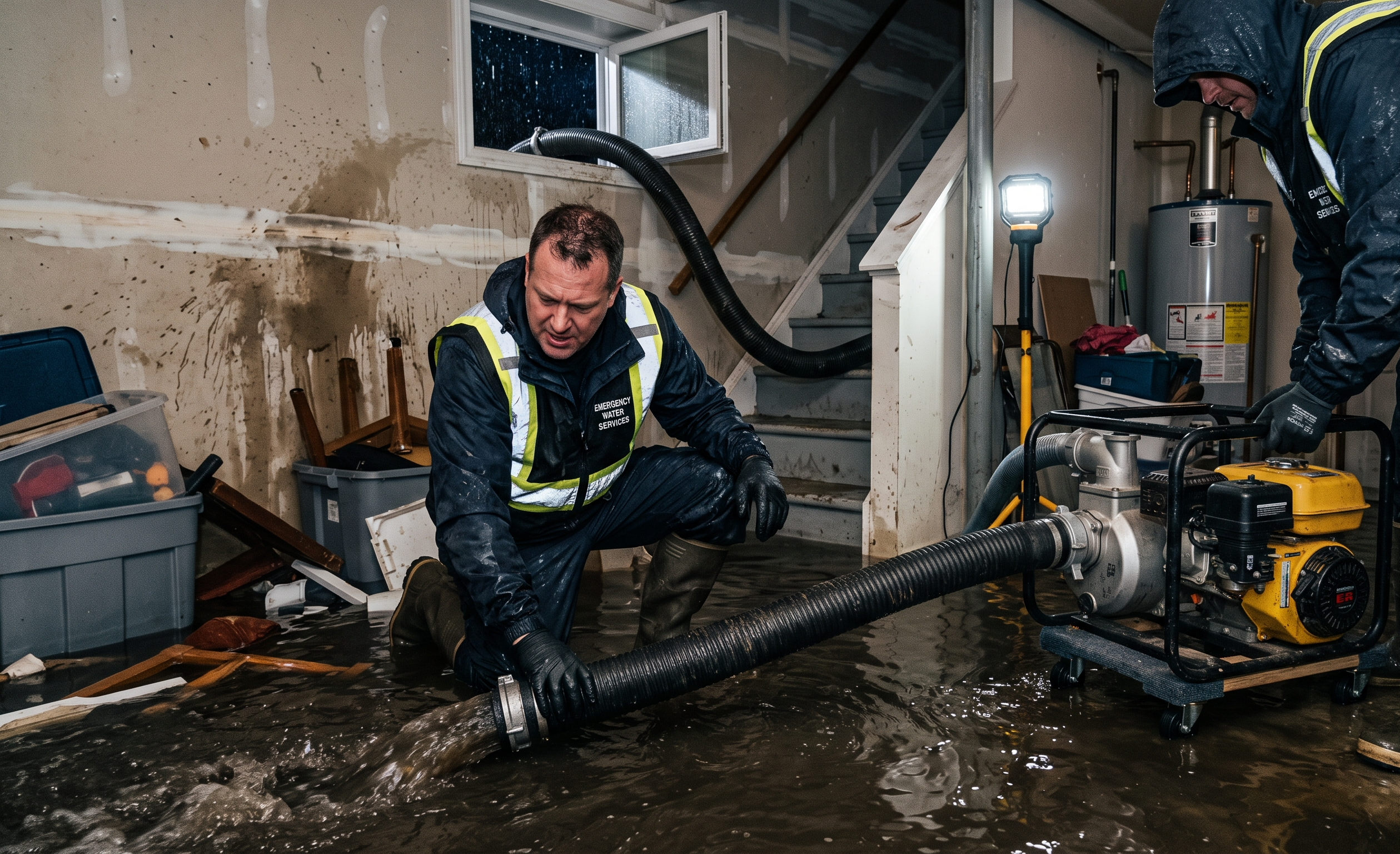
Call an emergency water pump-out service immediately if your well stops producing water, pressure drops suddenly, you smell gas or burning, or you have active flooding from a failed pump. Delaying increases damage, repair costs, and health risks. Most emergency services respond within 1–4 hours.
How do I know if my water pump emergency requires immediate professional help?
Several clear signs mean you need to call for emergency pump-out service right now. If you turn on a faucet and nothing comes out, your pump may have failed.
A sudden pressure drop, water trickling instead of flowing, also signals trouble. Burning smells or electrical issues near the pump call for immediate shutdown and a professional call. Gas leaks near the pump area require evacuating the home and contacting the gas company before any pump service.
Flooding from a broken pump or sump pit overflow is another emergency. Standing water can damage floors, walls, and electrical systems. Sewage backup from a failed ejector pump is a health hazard that needs urgent sewage backup cleanup and pump replacement. Our crew has seen homeowners wait too long, turning a simple repair into a full basement flood restoration.
What immediate safety steps should I take while waiting for emergency water pump service?
Your first step is to stop using all water and shut off power to the pump at the breaker. This prevents electrical shorts and further damage. Next, inspect for visible leaks or flooding.
If you see water pooling, move valuables and electronics to higher ground. Avoid standing water if you suspect electrical contact—wet floors near outlets are dangerous.
If you smell gas, evacuate everyone and call the gas company from outside. Do not flip switches or use phones indoors. For minor leaks, place buckets under drips and open windows to increase airflow. Contact a professional emergency water pump-out service right away. Most crews arrive within two hours, but you must prioritize safety until they get there.
What are the most common causes of water pump failure that require emergency pump out?
| Cause | Signs | Urgency |
|---|---|---|
| Power outage or tripped breaker | Pump won’t start, no water | High (if sump pit overflows) |
| Well pump burnout | Burning smell, pump runs, but no water | High |
| Clogged intake or impeller | Gurgling noises, low pressure | Medium |
| Pump losing prime | Air sputtering from faucets | Medium to high |
| Basement sump pump failure | Flooding in the pit or floor | Critical |
Well pump failures often happen during storms or after a power surge. Sump pumps can jam with debris or burn out from continuous running. Flood water removal becomes urgent when the pit overflows, damaging foundations and fostering mold growth. Regular maintenance catches many issues early, but emergencies still occur.
How much does emergency water pump-out service typically cost?
Emergency pump-out service costs vary widely, but you can expect to pay between $150 and $500 for the pump-out itself, plus additional fees for repairs or replacement. Travel time and time of day (night, weekends, holidays) add premium charges. A standard service call during business hours might be $75–$150, but emergency rates often double.
Pump replacement adds $400–$1,200 or more, depending on pump type and complexity. Submersible well pumps are pricier than pedestal sump pumps. Always ask for a written estimate before work begins.
Reputable companies provide transparent pricing over the phone. While cost is a concern, delaying can lead to far more expensive water damage restoration. Our team has seen minor pump repairs escalate into thousands of dollars in emergency water damage costs when left untreated.
Can I handle a water pump emergency myself, or should I always hire a professional?
Some minor issues can be DIY, but most emergencies require a licensed technician. If the breaker tripped, resetting it might restore power. Clearing a visible clog in a sump pump discharge line is safe if you can reach it. However, if you smell burning, see electrical sparking, or suspect a gas leak, call a professional immediately. Well pump repairs involve electrical work and drilling, both dangerous for amateurs.
Professionals have the tools and knowledge to diagnose root causes fast. They carry submersible pumps, generators, and backup systems. DIY pump out might seem cheaper, but it risks injury, further damage, and voiding warranties.
Our advice: for any scenario where water is actively flooding your home or your family is without water for more than an hour, call the experts. It’s not worth the risk.
What health and safety risks come from delayed water pump-out?
Standing water from a failed pump creates serious hazards. Within 24–48 hours, mold spores begin colonizing damp surfaces. Mold can trigger allergies, asthma attacks, and respiratory infections.
Sewage backup introduces bacteria like E. coli and Salmonella, which cause severe illness. Even clear water from a sump pump overflow can carry dirt and contaminants if it sits on floors.
Structural damage also threatens your safety. Water weakens drywall, warps wood floors, and rusts metal supports. Electrical outlets and appliances near water pose shock hazards. If you have a crawl space, moisture promotes wood rot and attracts pests.
Prompt flood water removal and drying minimize these risks. That’s why emergency pump out services prioritize rapid response—we’ve seen basements become health hazards in just one day.
How do I choose the right emergency water pump-out service company?
- Look for 24/7 availability with guaranteed response times (less than 2–4 hours).
- Check online reviews and verify proper licensing and insurance.
- Ask about their experience with your specific pump type (well, sump, sewage ejector).
- Request a clear cost estimate before they start work.
- Ensure they offer both pump out and repair services—not just removal.
- Ask if they provide temporary solutions (like rental pumps) when yours needs replacement.
Our company, for example, provides 24-hour emergency water pump-out service with transparent pricing. We arrive with fully stocked trucks to handle any situation. For homeowners in our area, call us at (803) 710-6115 for immediate assistance.
What routine maintenance can prevent emergency water pump failures?
Preventive maintenance is your best defense. Test your sump pump every three months by pouring water into the pit to see if it turns on. Clean the intake screen and check the discharge line for clogs.
For well pumps, monitor your pressure gauge and listen for unusual sounds. Annual professional inspections catch minor issues like worn contacts or low water levels before they become emergencies.
Install a backup battery sump pump if you rely on a single unit. Power outages often coincide with storms, exactly when pumps are needed most. Consider a water-powered backup for extra security. Replace pumps older than 10 years preemptively. A small investment in maintenance saves you the inconvenience and cost of an emergency call.
Why fast action saves money and health?
Every hour you delay calling for emergency pump out increases damage and risk. A failed sump pump can dump hundreds of gallons into your basement within hours. Well pump failures mean no water for drinking, bathing, or flushing.
Gas or electrical hazards threaten lives. Professional emergency services are designed to get your system running fast, often within two hours of your call.
Whether it’s a residential well pump, sump pit, or sewage ejector, knowing when to call emergency water pump-out service keeps your home safe and your water flowing. Don’t wait until a small problem becomes a disaster. If you experience any of the key scenarios we’ve outlined, pick up the phone right away.