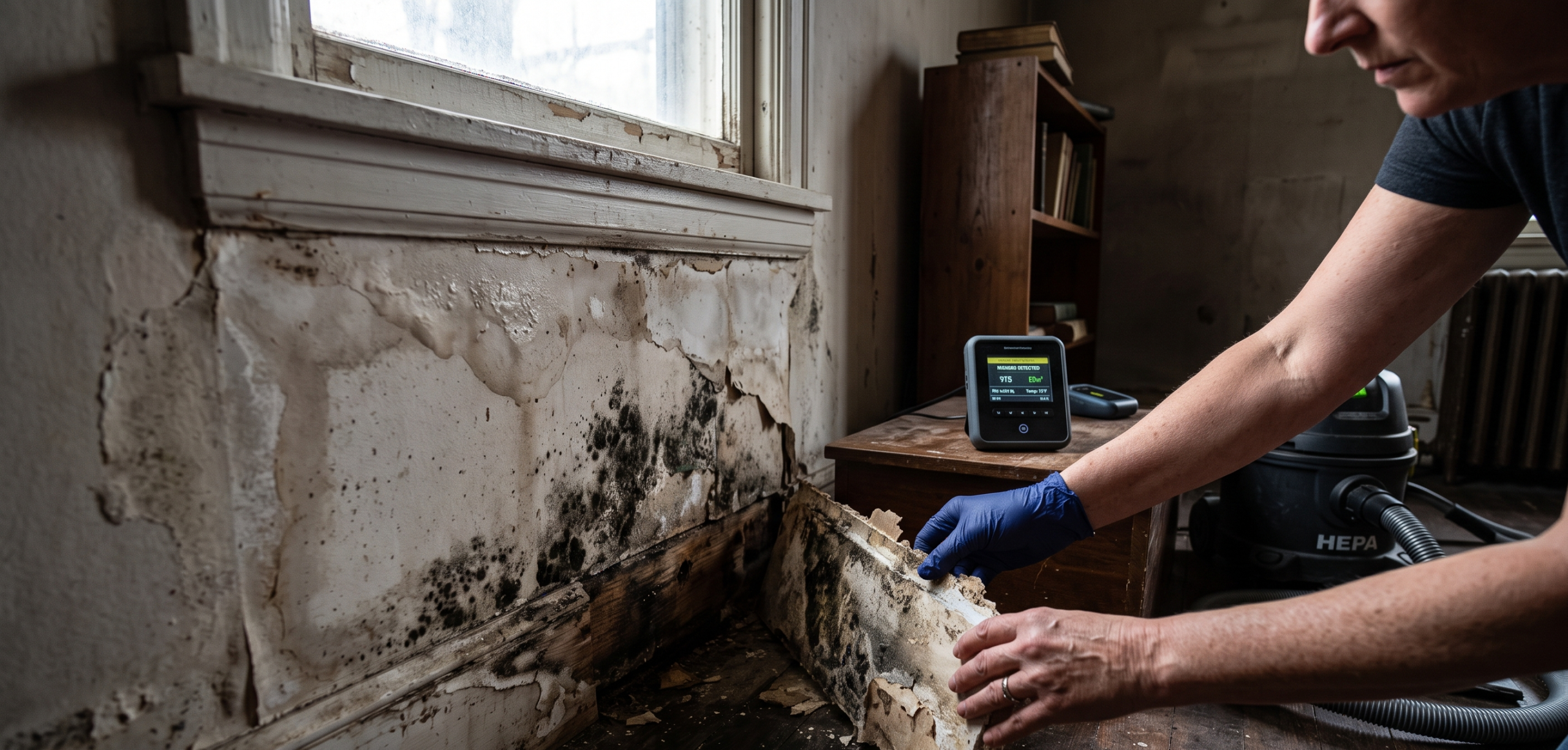
Yes, water damage can cause long-term health problems primarily due to mold growth, which may trigger chronic respiratory issues, allergies, and even infections. Prompt drying and remediation are critical to preventing lasting health effects.
How Does Water Damage Lead to Long-Term Health Issues?
When water sits for more than 24–48 hours, mold spores begin to colonize. These spores release allergens, irritants, and sometimes mycotoxins. Over time, continuous exposure can lead to chronic inflammation, asthma, and hypersensitivity pneumonitis. Even after the visible water is gone, hidden moisture in walls, crawlspaces, or under floors can sustain mold growth for months, silently affecting your indoor air quality.
What Are the Most Common Symptoms of Mold Exposure?
Symptoms vary depending on sensitivity and duration. Early signs include stuffy nose, irritated eyes, wheezing, and skin rashes. In people with asthma, mold can trigger severe attacks. Chronic exposure may produce fatigue, headaches, memory issues, and recurring respiratory infections. If you or your family notice these symptoms worsening at home, mold from water damage could be the culprit.
Immediate vs. Delayed Symptoms
- Immediate (hours): Sneezing, coughing, red eyes, throat irritation.
- Delayed (days to weeks): Fever, productive cough, shortness of breath, weight loss (signs of infection).
Who Is Most at Risk for Severe Health Effects?
Certain groups face higher risks: children, the elderly, pregnant women, people with chronic lung disease (e.g., asthma, COPD), and those with weakened immune systems. According to the American Thoracic Society, individuals with pre‑existing allergies or lung conditions should avoid moldy environments entirely. Children exposed to water‑damaged homes have shown increased lower respiratory tract symptoms, especially when cleanup is delayed.
Can All Types of Mold Cause Health Problems?
While not all molds are toxic, any indoor mold growth can cause allergic reactions or irritate the respiratory system. Some species, like Stachybotrys chartarum (black mold), produce mycotoxins associated with more severe neurological and immune effects. However, even common molds like Aspergillus and Penicillium can cause lung infections in immunocompromised individuals. The key is not the color but the presence of any active mold colony.
How Can I Prevent Mold Growth After Water Damage?
Prevention starts with rapid moisture control. Dry wet areas and items within 24–48 hours. Use dehumidifiers and fans, and fix the water source first. For larger floods or sewage backups, professional extraction is critical. Regular humidity checks (aim for 30–50%) help. The EPA emphasizes that moisture control is the only proven way to prevent mold.
Should I Attempt Mold Remediation Myself?
Small patches (less than 10 sq ft) can be cleaned with detergent and water, but extensive or hidden mold requires professional handling. DIY attempts often disturb spores, spreading contamination. Without proper containment and HEPA filtration, you risk worsening both the problem and your health. For water‑damaged areas exceeding a few square feet, call a mold remediation specialist.
What Does Professional Mold Remediation Involve?
A certified crew follows a systematic process: 1) containment with plastic sheeting and negative air pressure, 2) HEPA vacuuming and air scrubbing, 3) removal of contaminated materials (drywall, insulation), 4) antimicrobial treatment, and 5) thorough drying and clearance testing. This ensures all spores are removed, and moisture is eliminated to prevent regrowth. For full details, see our restoration services.
Key Steps in Professional Remediation
- Assessment: Moisture mapping and mold inspection.
- Containment: Sealing off affected areas.
- Filtration: HEPA air cleaning.
- Removal: Discarding porous materials.
- Cleaning: Scrubbing non‑porous surfaces.
- Drying: Industrial dehumidifiers and airflow.
- Final test: Confirm spore levels are safe.
How Much Does Professional Mold Remediation Cost?
Costs vary based on extent, location, and contamination level. Typical residential remediation ranges from $500 to $6,000, with large whole‑house jobs exceeding $10,000. Factors include square footage, accessibility, and whether structural materials need replacement. Most insurance policies cover mold if caused by a covered water loss. Get multiple quotes and verify credentials before hiring.
When Should I Call a Professional?
Call a professional if: water damage covers more than 10 sq ft, if sewage or floodwater is involved, if you suspect hidden mold, or if anyone in the home has asthma or a compromised immune system. Also, call if you notice a musty odor, peeling wallpaper, or discoloration on walls. For emergency water extraction and drying, contact (803) 710-6115—available 24/7 to help prevent long‑term health risks.
Long‑Term Health Risks: The Takeaway
Water damage is not just a structural issue; it’s a health hazard. Mold exposure can lead to chronic respiratory conditions, persistent allergies, and, in severe cases, infections. The best defense is rapid response: dry within 48 hours, fix leaks, and monitor humidity. If mold appears, act quickly. For peace of mind and safety, trust experienced mold remediation in Cayce to restore your home and protect your family’s health.
Don’t wait until symptoms develop. Call (803) 710-6115 for a professional assessment and fast, thorough remediation.