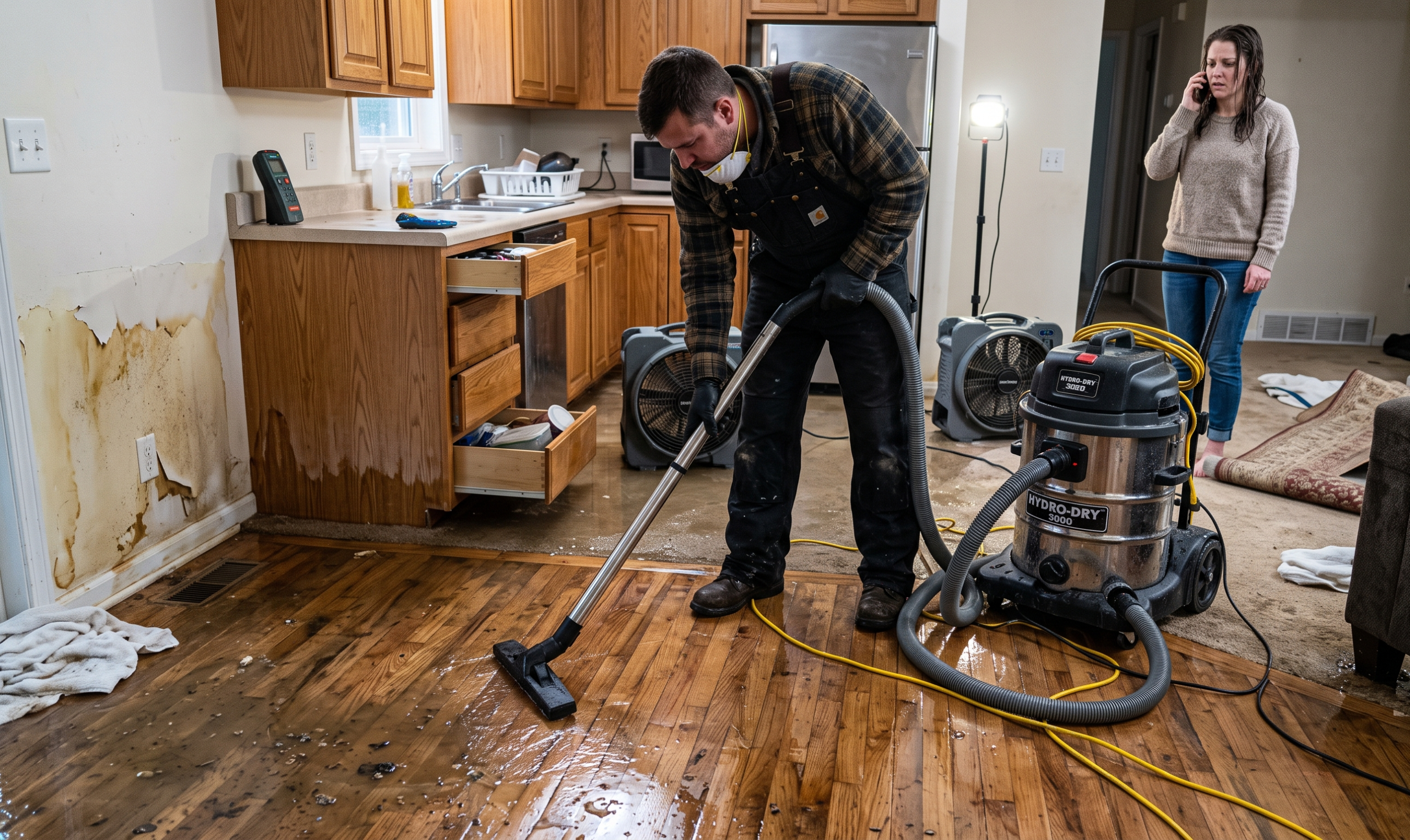
Filing a water damage claim typically increases your homeowners insurance premium by 7% to 10%, but severe or frequent claims can push that increase to 25% or more. The average payout for a water damage claim is around $13,954, according to industry data. Understanding how these numbers affect your wallet can help you decide when to file a claim and how to manage the aftermath.
How much does a water damage claim increase your premiums?
On average, a single water damage claim raises your premium by 7% to 10%. However, that figure can climb to 20-25% for claims exceeding $30,000 or if the damage resulted from negligence, such as a slow, unrepaired leak. Insurers see water damage as a high-risk recurrence if it happened once, it might happen again.
For example, if your current premium is $1,200, a 10% increase means you’ll pay an extra $120 per year for the next three to five years. Over time, that could total $360–$600, which is worth weighing against the claim payout.
What factors influence how much your premium goes up?
Several key factors determine the size of your premium increase after a water damage claim:
- Claim severity: Larger payouts trigger bigger rate hikes. A $5,000 claim may cause a smaller bump than a $20,000 one.
- Claim type: Sudden incidents like burst pipes often lead to smaller increases than gradual damage from leaks, which insurers view as preventable.
- Claims history: Multiple claims in a short period can trigger steep surcharges or non-renewal. A first-time claim is usually treated more leniently.
- Insurer guidelines: Each company has its own underwriting rules. Some cap increases at 15%, while others may raise rates more aggressively.
- Your location: States with high claim frequencies (like Florida or Texas) often see larger increases due to overall market conditions.
A CLUE report (Comprehensive Loss Underwriting Exchange) tracks your claim history and is shared among insurers, so even switching carriers won’t erase that record.
When is it not worth it to file a water damage claim?
If the damage is minor and under your insurance deductible, filing a claim is rarely worth it. Consider the total cost of repairs versus the long-term premium increase. Use this simple table to evaluate:
| Damage Amount | Typical Premium Increase Over 3 Years | Verdict |
|---|---|---|
| Under $1,000 | $0–$300 | Often not worth filing—pay out of pocket |
| $1,000–$5,000 | $300–$600 | Compare with your deductible; may still not be worth it |
| $5,000–$15,000 | $600–$1,500 | Usually worth filing, especially if deductible is low |
| Over $15,000 | $1,500+ | Almost always worth filing |
Remember, your water damage claim is not just about the repair cost it’s about future premium increases and the risk of being dropped. For small incidents, paying out of pocket can save you money in the long run.
What types of water damage claims affect premiums the most?
Not all water damage is created equal in the eyes of insurers. The biggest rate hikes come from:
- Slow leaks and mold: Because they indicate neglect, these claims can cause premium jumps of 15–25%.
- Frequent claims: Two or more water claims within five years may lead to non-renewal.
- Secondary damage: Claims involving mold or structural rot often have higher payouts, leading to steeper increases.
On the other hand, claims from sudden events like a burst pipe water damage repair are generally viewed more favorably, especially if you acted quickly and hired professional restoration services. Insurers reward responsible homeowners.
How can you prevent water damage and avoid future claims?
Prevention is the best way to keep your premiums low.
Here are practical steps:
- Inspect plumbing annually: Look for corrosion, small leaks, and worn seals around fixtures.
- Install leak detectors: Smart water sensors can alert you immediately, helping you shut off the water supply before major damage.
- Winterize pipes: Insulate exposed pipes in crawl spaces and basements to prevent freezing and bursting.
- Maintain appliances: Replace washing machine hoses every 5 years, and check water heater age (typical lifespan is 8–12 years).
- Know your main water shut-off valve: In an emergency, you can stop the flow in seconds. Learn how to shut off water supply in case of burst pipe.
Routine maintenance reduces the odds of a claim, which keeps your claims history clean and your premiums stable.
What should you do immediately after a burst pipe to minimize damage?
Act fast: Every minute counts. Follow these steps:
- Shut off the water at the main valve.
- Turn off electricity if water is near outlets or appliances.
- Remove standing water with a wet/dry vacuum or mop. Begin water damage dry out as soon as possible to prevent mold.
- Document everything—take photos and videos for your insurance claim.
- Call a professional restoration company like Water Damage Cleanup Services for emergency water extraction and structural drying.
Quick action can reduce the total damage cost, which in turn may lower your claim payout and the resulting premium increase.
Can you negotiate a premium increase after a water damage claim?
While you can’t negotiate with your current insurer after they file a rate increase, you have options:
- Shop around: After 12–24 months, get quotes from multiple insurers. Some may offer lower rates despite your claim history.
- Bundle policies: Combining home and auto coverage can earn discounts that offset increases.
- Increase your deductible: Raising your deductible from $1,000 to $2,500 reduces your premium, though you’ll pay more out of pocket if you file again.
If you feel the increase is unfair, ask your insurer for an explanation. Errors in your CLUE report can be disputed.
Frequently asked questions about water damage claims and premiums
Does a water damage claim always increase premiums?
Not always. Some states prohibit increases for denied claims or small payouts. Additionally, if the damage is from a natural disaster (like a hurricane) covered under a separate event, it may not affect your premium as much.
How long does a water damage claim stay on your insurance record?
Most insurers consider claims for 3 to 5 years. After that, the surcharge typically drops off, though a severe claim may linger longer.
Will my insurance drop me after a water damage claim?
If you have two or more claims in a short period (typically 3–5 years), you risk non-renewal. Single claims rarely lead to cancellation, but it depends on the insurer.
Should you file a water damage claim?
Deciding whether to file a claim comes down to math and risk. If the damage is minor (under your deductible or just a few hundred dollars), pay out of pocket. For significant damage from a burst pipe or other sudden event, filing is usually the right call but prepare for a premium increase.
Work with a trusted restoration company to repair and document damage effectively. For more tips, explore our guide on burst pipe water damage repair.
If you’re dealing with water damage now, call (803) 710-6115 for fast, professional help. We’ll mitigate the damage and help you through the insurance process.