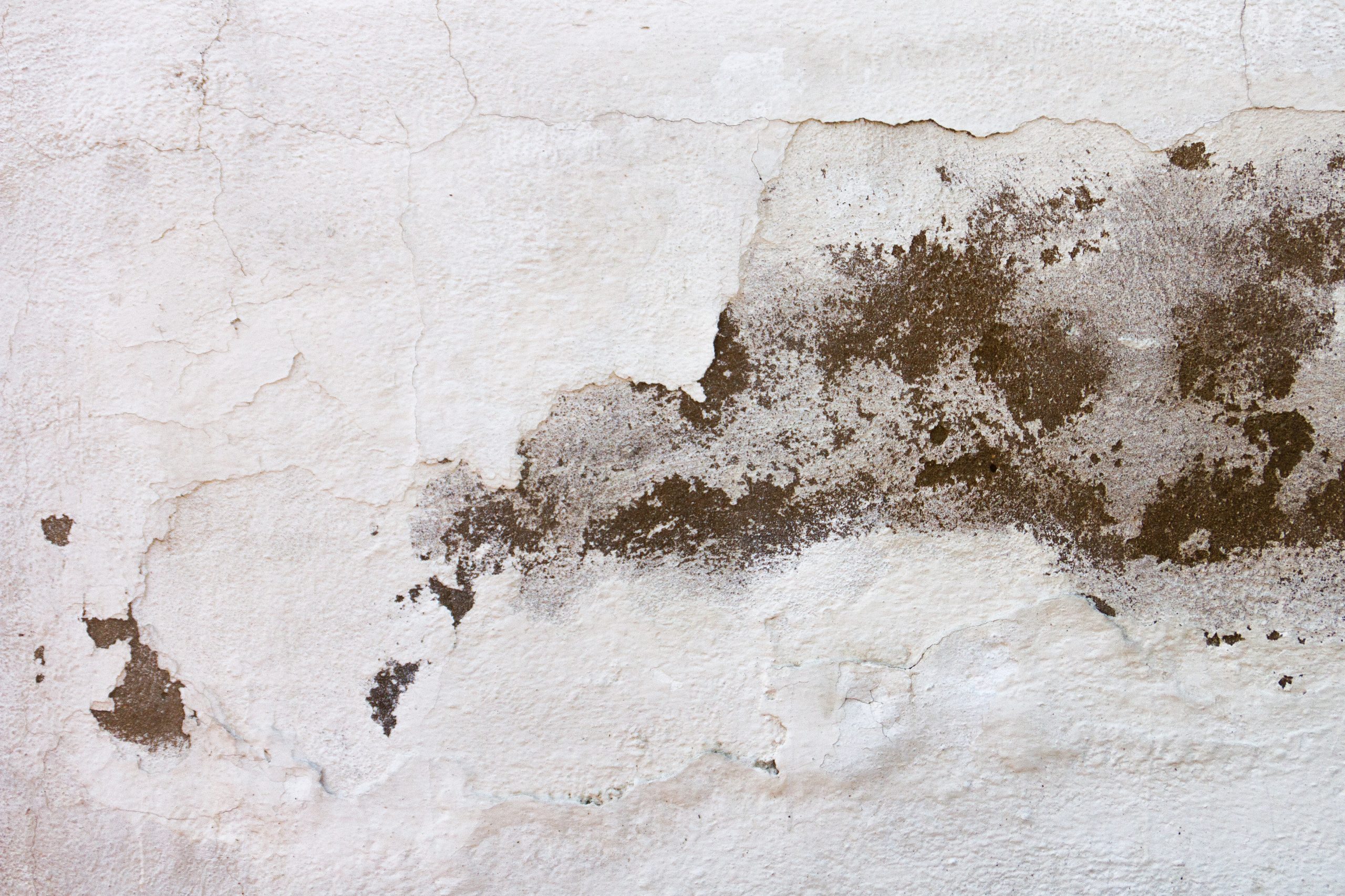
To test for water damage in drywall, use a moisture meter, look for discoloration, soft spots, or mold, and tap for hollow sounds. Early detection prevents costly repairs and health risks.
What are the first signs of water damage in drywall?
The earliest signs of water damage in drywall are often subtle. Look for discoloration like yellow, brown, or dark stains that may appear as rings or irregular patches. Peeling paint or wallpaper near the ceiling or baseboards is another red flag. Additionally, warping or bulging indicates the gypsum core has absorbed moisture and expanded.
Our crew has seen many homeowners ignore small water spots, only to find extensive mold behind the wall later. If you notice any of these signs, it’s time to test further.
How do I use a moisture meter to test drywall?
Using a moisture meter is the most reliable way to detect hidden moisture. First, calibrate the meter according to the manufacturer’s instructions for drywall settings. Then, press the pins or sensor flat against the drywall surface in multiple locations around the affected area. Take readings at different heights; water often wicks up from the floor.
A reading above 17% indicates moisture that requires attention. Readings between 12-16% may be normal depending on humidity, but readings above 17% suggests active damage or a leak. Always test in a grid pattern to map the extent of moisture migration. Document readings for future reference or insurance claims.
| Moisture Reading | Action Needed |
|---|---|
| Below 12% | Dry, safe |
| 12-16% | Normal in humid conditions; monitor |
| 17-20% | Elevated; requires drying and inspection |
| Above 20% | Active water damage; professional remediation advised |
Can I test for water damage without a moisture meter?
Yes, you can use simple visual and tactile methods. Press the drywall gently with your thumb if it feels spongy or gives way; moisture has softened the gypsum. Tap the wall with a knuckle; a hollow sound compared to adjacent areas suggests the core has deteriorated.
Another method is to shine a flashlight at a low angle across the wall. This reveals subtle bumps, shadows, or stains. Also, smell for musty odors that often indicate mold growth behind the surface. While these methods are helpful, they are not as accurate as a moisture meter.
What does water-damaged drywall feel like?
Water-damaged drywall loses its firmness. It may feel soft, spongy, or crumbly when touched. The paper facing can be separated from the gypsum core. In advanced cases, the drywall may sag or become mushy. If you push a screwdriver or key into the surface and it sinks in easily, the damage is serious.
Another sign is efflorescence, white, powdery mineral deposits on the surface, left behind when water evaporates. This indicates persistent moisture wicking through the drywall.
How accurate is the tap test for drywall water damage?
The tap test is a quick screening tool, but not definitive. A hollow sound may indicate that the drywall has delaminated or the core has crumbled due to water exposure. However, a solid sound doesn’t guarantee dryness; moisture can be present behind a still-firm surface.
We recommend combining the tap test with a moisture meter for reliable results. Tap testing alone can miss early-stage damage where the surface appears fine, but the core is wet.
When should I cut into drywall to check for water damage?
Cutting a small inspection hole is advisable when you suspect hidden damage but can’t confirm with non-invasive methods. This is often necessary after a burst pipe, roof leak, or flooding. Use a keyhole saw or a small drill bit to create a 2-inch hole in an inconspicuous area, like a closet or behind furniture.
Insert a flashlight and a small mirror to inspect the cavity for mold, rot, or standing water. If you find extensive damage, you may need to perform a flood cut, removing a section of drywall 12-24 inches above the water line. Note that cutting into walls should be done carefully to avoid electrical wires or plumbing. When in doubt, call a professional.
How much moisture is too much in drywall?
Drywall is considered dry when its moisture content is below 12%. Levels between 12-16% are acceptable in humid environments, but anything above 17% indicates a problem. Moisture above 20% will likely cause structural weakening and mold growth within 24-48 hours.
If you detect high moisture, you need to dry out the area immediately. Our team at WaterDamageCleanupServices.com uses industrial dehumidifiers and air movers to restore drywall. In many cases, if the moisture is caught early and the drywall is not saturated, it can be saved by thorough drying, see our Water Damage Dry Out In Shandon service as an example.
Should I hire a professional for water damage testing?
Professional testing is recommended if you suspect hidden damage, have a history of leaks, or notice mold. Professionals use thermal imaging cameras to see temperature differences behind walls, borescopes to inspect cavities without cutting, and hygrometers to measure humidity levels. They also know exactly where to test for common leak points.
If the moisture reading exceeds 20% or you see mold, call a remediation company immediately. You can reach us at (803) 710-6115 for a thorough inspection and expert advice. Do-it-yourself testing is fine for initial checks, but a professional assessment ensures no damage is missed.
What happens if I ignore water damage in drywall?
Ignoring water damage leads to structural weakening drywall can collapse under its own weight or during a minor impact. Mold growth is a serious health hazard, causing respiratory issues, allergies, and, in some cases, toxic reactions. Water also attracts pests like termites and carpenter ants.
Additionally, electrical hazards arise if water reaches wiring inside walls. Over time, rot can spread to wooden studs, requiring expensive framing repairs. Early testing and remediation save money and protect your family’s health.
How to prevent water damage in drywall?
Prevention starts with regular inspections of plumbing, roofs, and gutters. Fix leaks immediately. Ensure proper ventilation in bathrooms and kitchens to reduce humidity. Install leak detectors near water heaters, washing machines, and under sinks.
Consider water-resistant drywall (green board or purple board) in high-moisture areas like basements and bathrooms. Seal around pipes and fixtures with caulk. After any water event, dry the area within 24-48 hours using fans and dehumidifiers. If you need a step-by-step guide, read our article on Drywall Baseboard Water Damage Repair.
Remember, if the damage is extensive, call a professional. (803) 710-6115 We’re here to help.